
Design & living
Hidden-compartment shelves: what to check before buying
Check usable space, installation, access and total cost before choosing a shelf with a concealed drawer or a freestanding alternative.
Read the article
Design & living · 3 min read
A nightstand, a coffee table or a wall shelf can offer more storage than it first appears to. The useful question is how that extra space fits into your room and your routine.
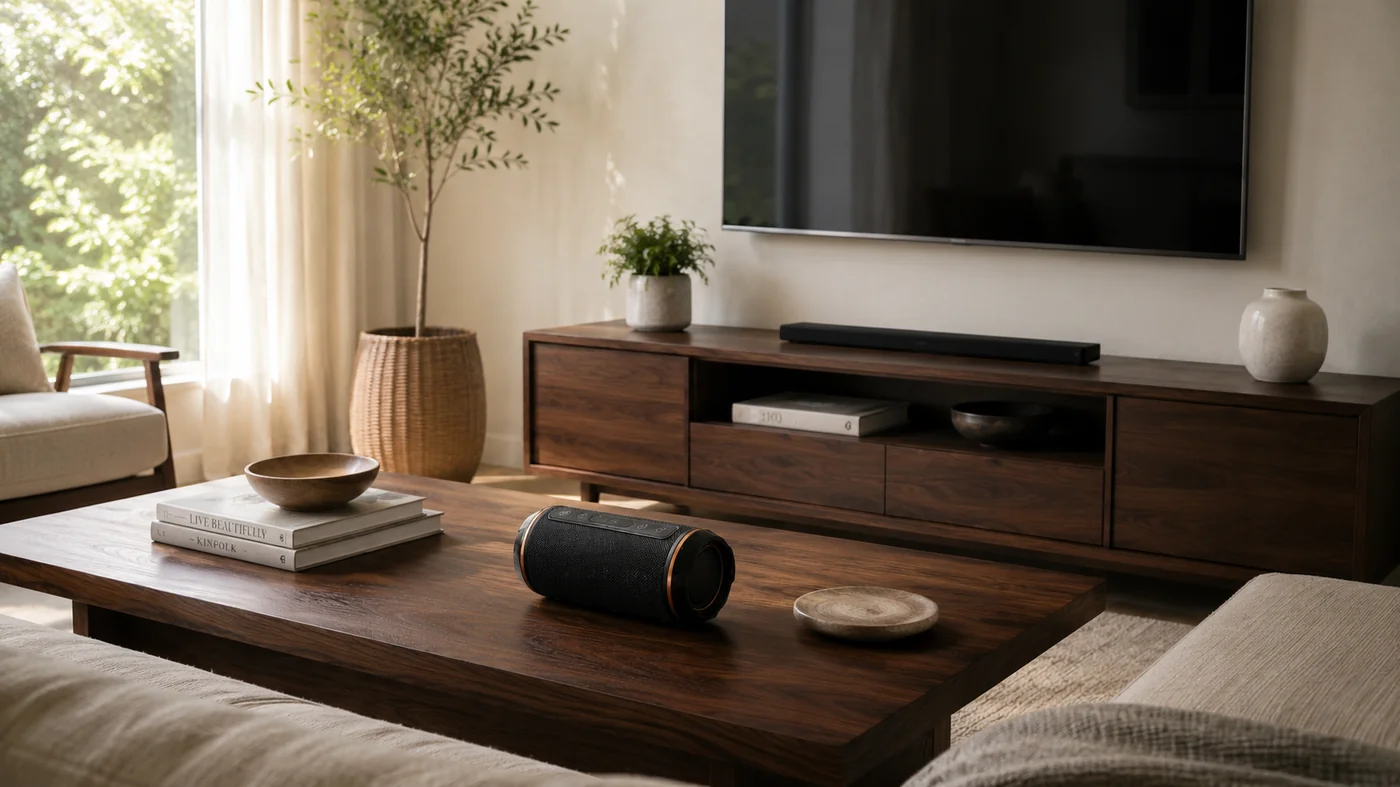
A hidden compartment is an additional function, not a reason to overlook the furniture itself. Check proportions, finish, stability and the storage you will use openly. A piece that feels too large for the room will not become a better fit because it contains an extra drawer.
Think about the job it already has. A coffee table should work comfortably beside your seating; a bedside table should suit the height and space around your bed. The concealed compartment should support that role rather than make ordinary use awkward.
Different formats suit different spaces. Instead of assuming one category offers better value, compare the exact model, the usable interior and the total cost of getting it into your home. Delivery, assembly and any required installation can change the decision.
| Format | Useful questions |
|---|---|
| Nightstand | Does the hidden space reduce the main drawer’s capacity? |
| Coffee table | Can you access it without moving everything on the surface? |
| Wall shelf | What installation, wall type and load limits does the maker specify? |
| Portable object | Will your belongings fit, and is mobility useful to you? |
Write down what you intend to store and how often you will reach for it. Measure those objects and compare them with the usable interior, not the furniture’s overall dimensions. Check whether a lid or drawer needs clearance that your room cannot provide.
Also consider future changes. A piece that requires installation may be worth it for a settled room; a freestanding object may suit someone who rearranges frequently. Neither is inherently better. The right choice depends on the space you actually have.
An integrated compartment can keep contents out of view. That alone does not establish resistance to forced access, fire or water. Read any protective claims carefully and ask what evidence applies to the exact model.
There is no reliable promise that a concealed feature will never be noticed. Avoid choosing on the strength of a dramatic demonstration alone. Clear dimensions, materials and usage instructions are more useful for deciding whether a piece suits your needs.
If you want a place for just a few small belongings, a furniture purchase may be unnecessary. Luke is a speaker-shaped design object with a 48 × 126 × 17 mm useful compartment, with additional room towards the centre. It sits on an existing surface and needs no wall installation.
Handmade in Madrid, Luke has no audio function. The free compartment and optional model-specific wallet inserts serve different needs. It is not a certified safe, and it does not offer certified protection against theft, fire or water. Compare its interior measurements with your belongings before deciding.
VEKSU / LUKE
Explore the smaller alternative
Choose LukeContinue reading
Design & living
Check usable space, installation, access and total cost before choosing a shelf with a concealed drawer or a freestanding alternative.
Read the article
Design & living
Understand what a hidden compartment can offer, what to check before buying and how discreet storage differs from a certified safe.
Read the article