
Design & living
What is a diversion safe? Uses and limits
Understand what a hidden compartment can offer, what to check before buying and how discreet storage differs from a certified safe.
Read the article
Design & living · 3 min read
The best place for a personal object depends on more than its price. How often you use it, its size and what you want to protect it from all matter. Start there, before choosing a container.
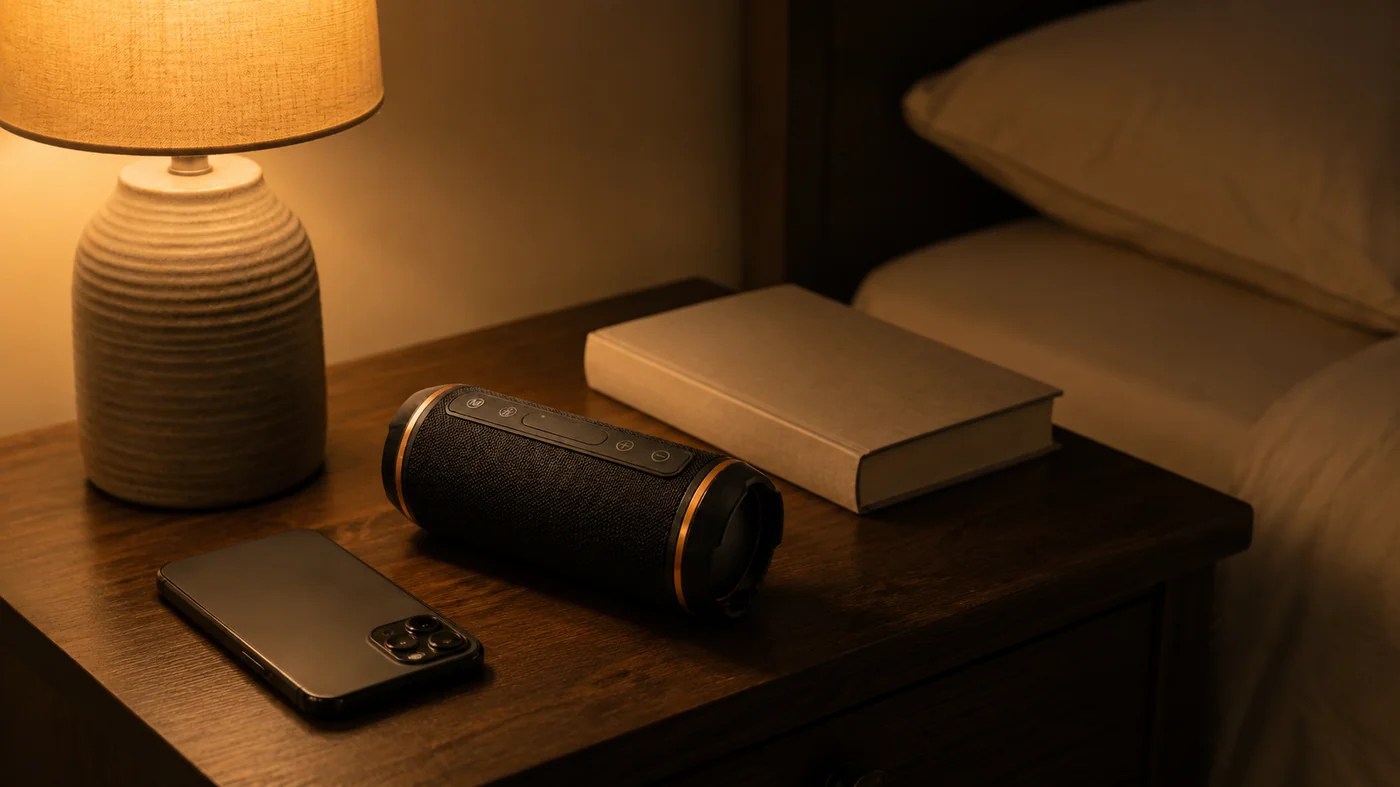
Lay out the items you are considering storing and group them by use. A ring you wear daily, a spare key and a document you rarely need have different routines. Avoid expecting a single small compartment to solve every storage need in the house.
Measure each item in the form you will actually store it. A key ring needs more space than a key. A device in its case is larger than the dimensions on its own product page. Leave room to take things out comfortably rather than packing to the last millimetre.
Keeping contents out of sight is one requirement. Preventing scratches, controlling access and choosing protection against particular hazards are others. Write down which matter for each item before comparing products.
A concealed compartment does not automatically provide physical security. If an item requires a specified level of protection, seek a product with relevant verified performance. For delicate belongings, check material compatibility and the maker’s care advice rather than assuming any lining or closed container is suitable.
| Your priority | What to check |
|---|---|
| Convenient daily access | Interior size and space to retrieve the item |
| Less visual clutter | A format and location that fit the room |
| Care of delicate objects | Suitable separation and the item’s care instructions |
| A specific protection requirement | Evidence for that exact product and use |
A storage routine is easier to keep when the location makes sense. Consider a stable surface, the room’s temperature and whether the object will regularly need moving. A shelf full of items you must rearrange every time may look appealing but feel inconvenient.
Do not rely on the idea of a universally perfect hiding place. Any compartment can be discovered, and a portable container can be removed. Choose discreet storage for its everyday usefulness with those limits understood.
Luke offers a speaker-shaped object with a concealed compartment, made by hand in Madrid. Its useful interior is 48 × 126 × 17 mm: width, height and depth, with more space in the centre. That calls for measuring individual belongings rather than assuming every piece of jewellery or device will fit.
Choose the free compartment for suitable small objects, or a model-specific hardware-wallet insert. Luke has no audio function, and its main material is PLA. It is designed for indoor use; keep it away from water, prolonged direct sunlight and sustained temperatures above 40 °C.
Decide what belongs in each place and revisit that choice when your routine changes. Good storage should reduce the time spent looking for something. Luke can play a part in that routine, but it is not a certified safe and does not offer certified protection against theft, fire or water.
VEKSU / LUKE
Check what fits inside Luke
Choose LukeContinue reading
Design & living
Understand what a hidden compartment can offer, what to check before buying and how discreet storage differs from a certified safe.
Read the article
Design & living
Compare capacity, access, installation and everyday use when choosing furniture with concealed storage or a smaller portable object.
Read the article